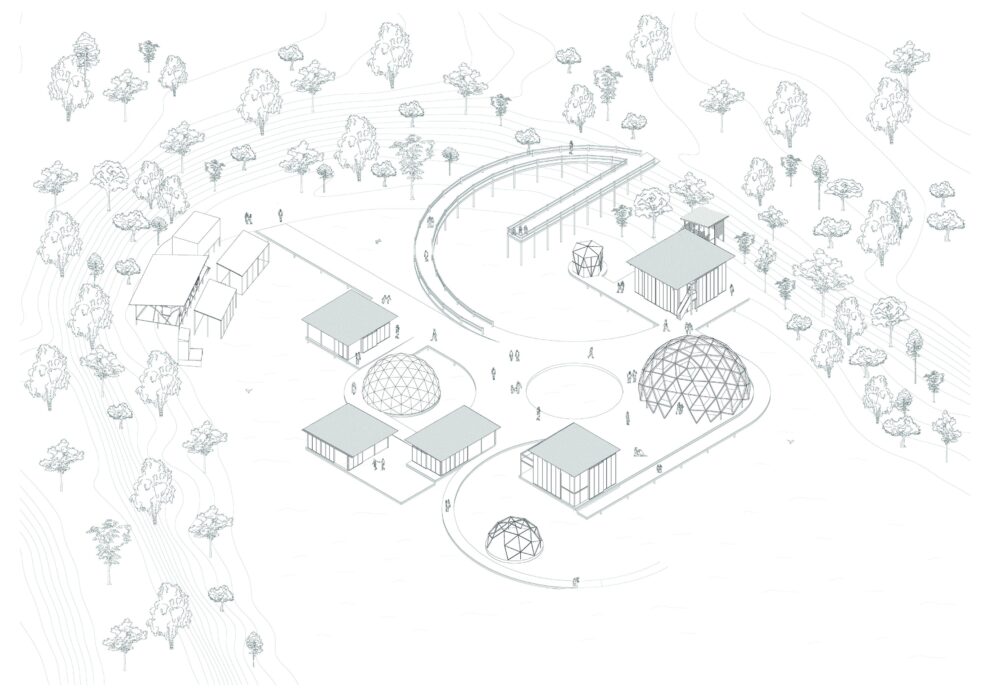
This Time Tomorrow
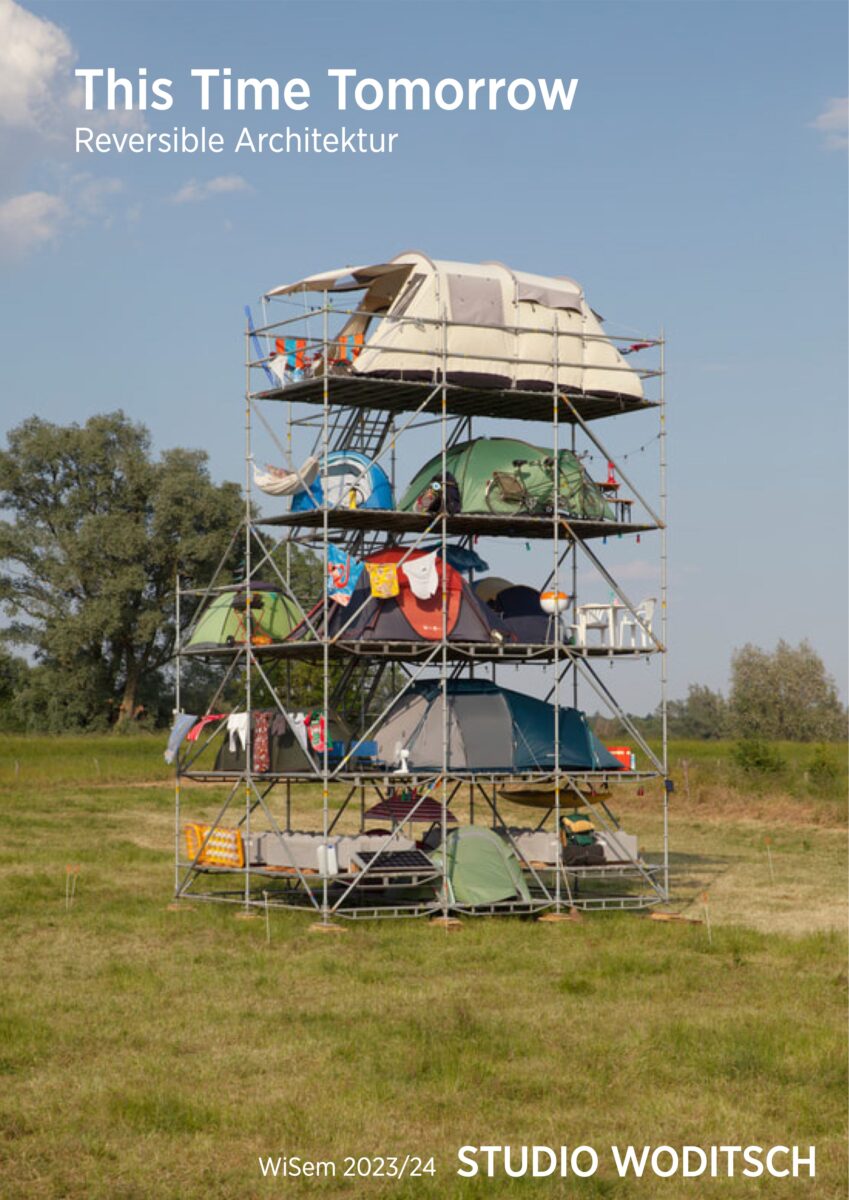
How long can we speak of the »tomorrow« before words must turn into actions? We want to engage in a process that questions conventional building practices and develops forward-looking architecture, instead of remaining stuck in the rut of yesterday.
»Clinging to a growth-based economic model exacerbates resource scarcity, environmental destruction, and the associated social harms. The inherent conflict between growth and climate protection is almost insoluble. A different material culture and new forms of sociality are therefore required.« (www.archplus.net)
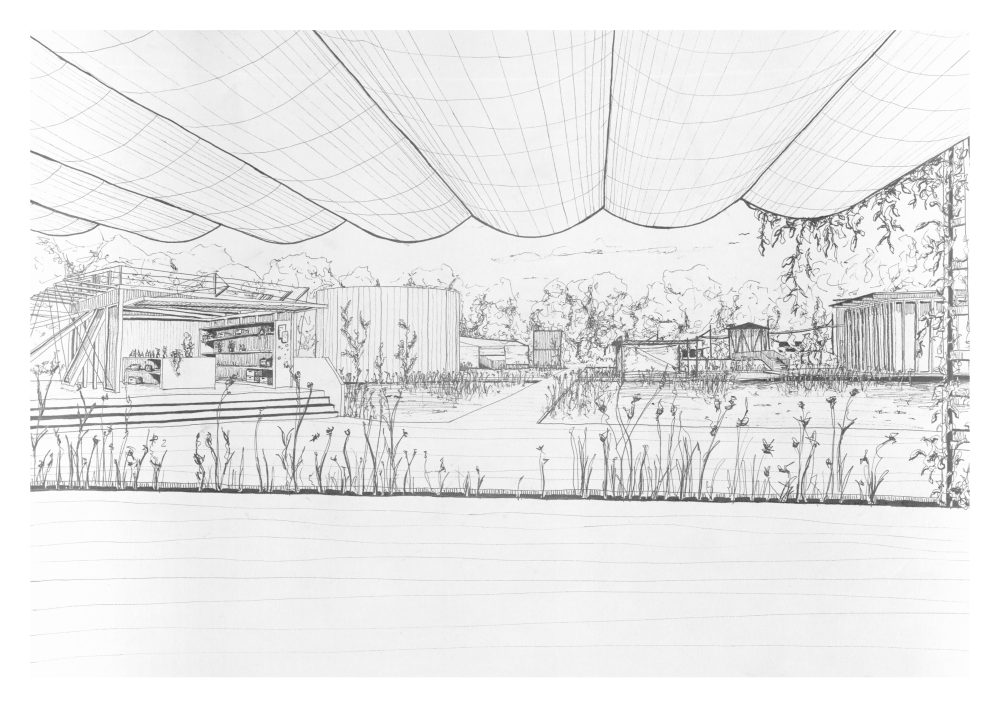
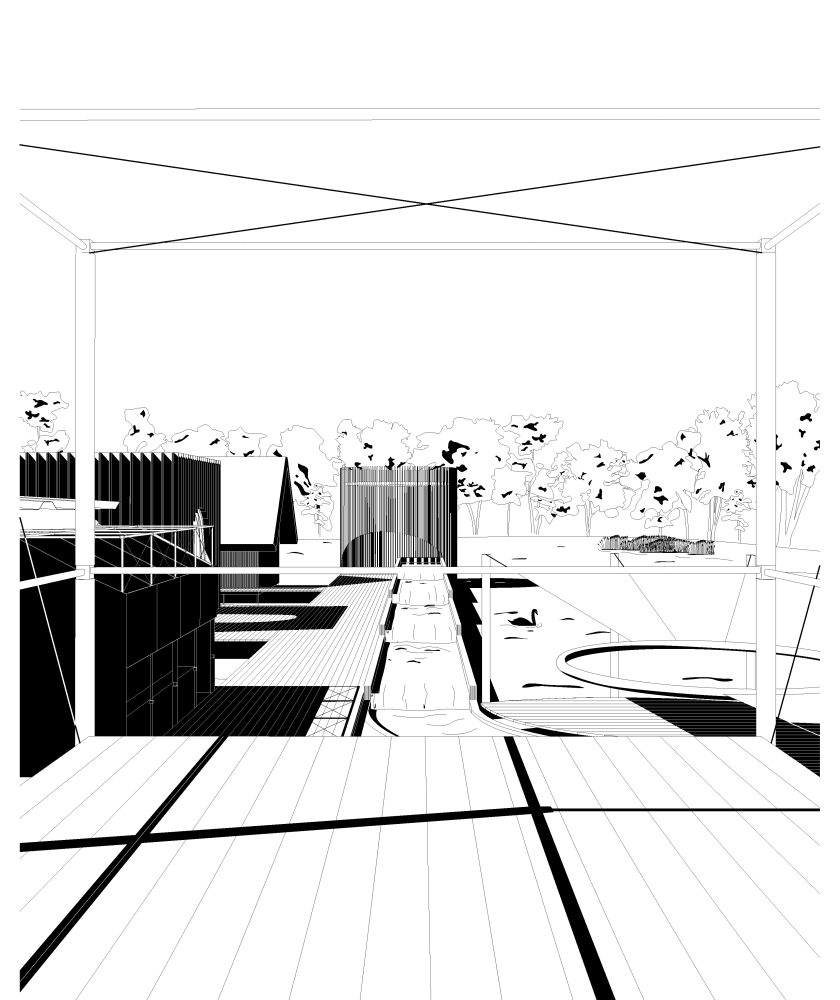
How can architects build without further endangering the planet? This Time Tomorrow reflects the relationship between the past (original use as a stormwater retention basin), the present (use as the Floating University), and the future. The central theme will be the search for the future of building, even if an immediate answer is not required. It is an attempt to explore new paths.
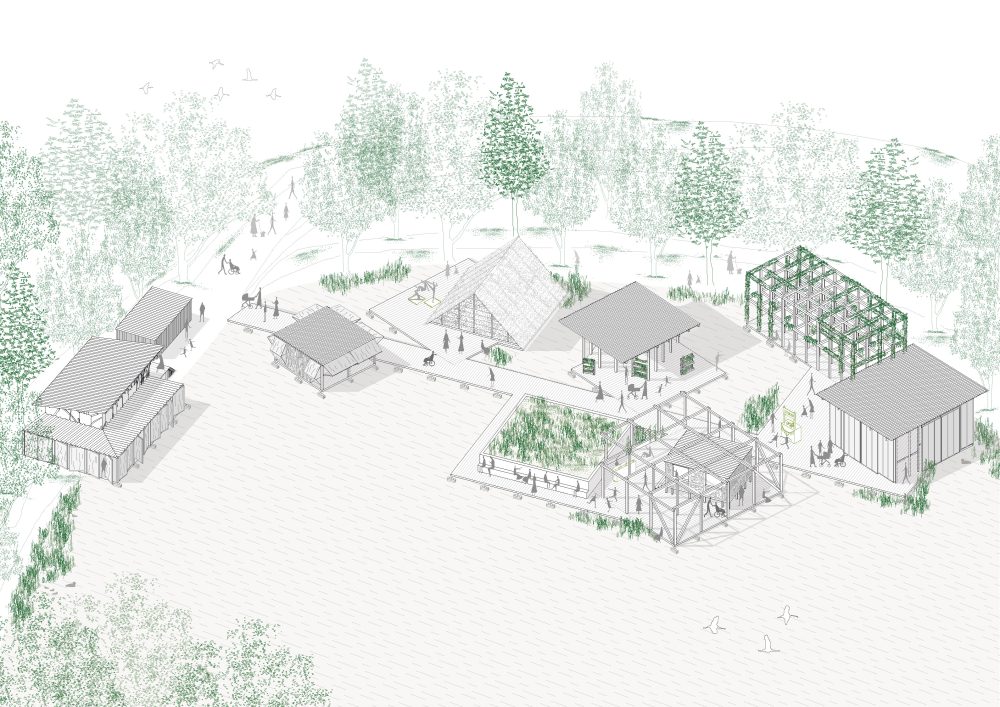
In cooperation with floating e.V., the design takes place on the site of the Floating University in Berlin Kreuzberg, a location that has developed, without a building permit, into a symbol of a new architectural aesthetic. Under the term »circular architecture«, we encourage students to explore new approaches to planning and building.
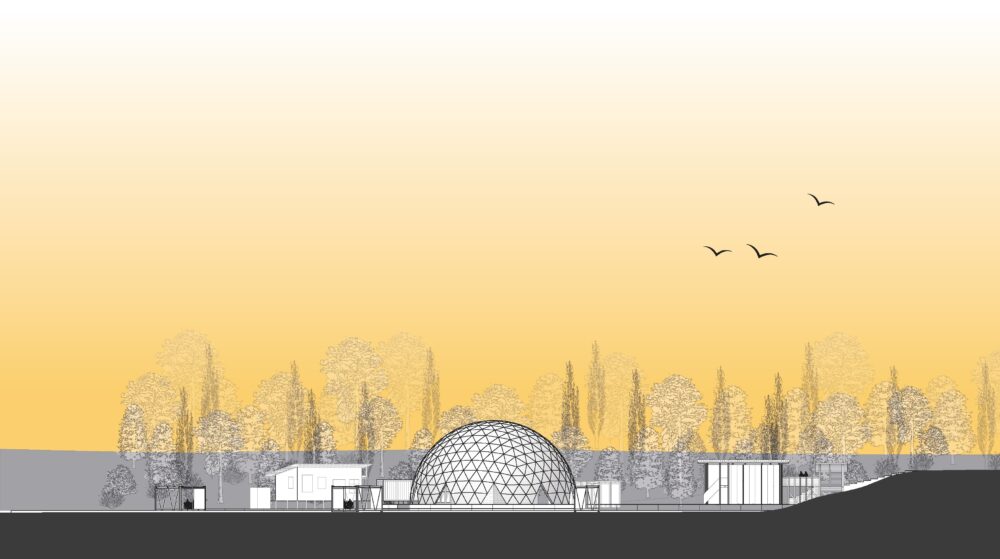
The Woditsch studio remains committed to its convictions from previous semesters. However, merely refraining from demolition does not create transformation at the level of new construction. This semester, we focus on a new building that is demountable, so that the question of demolition becomes obsolete.
Works